
The Chase House - 1893
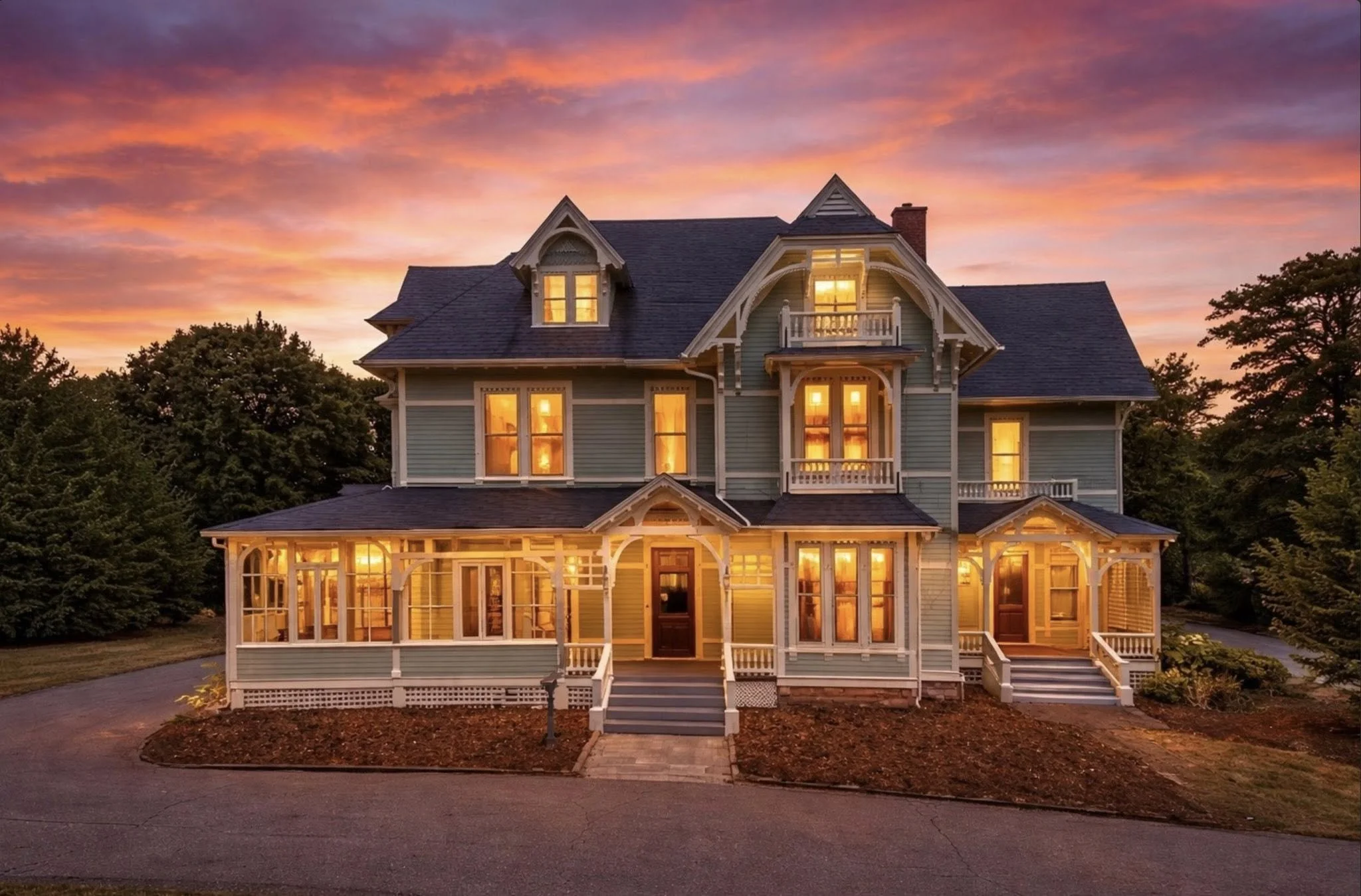
Chase House, now known as Victoria’s Historic Inn, was built in 1893 as a private family residence during a period of growth, confidence, and craftsmanship in Wolfville, Nova Scotia. Designed in the late Victorian tradition, the home reflected both the prosperity of the Annapolis Valley and the ambition of its original owners.
From its earliest days, the house was intended to be substantial — not only in size, but in presence. Its generous proportions, high ceilings, detailed woodwork, and formal layout spoke to a way of life centered on hospitality, permanence, and community standing.
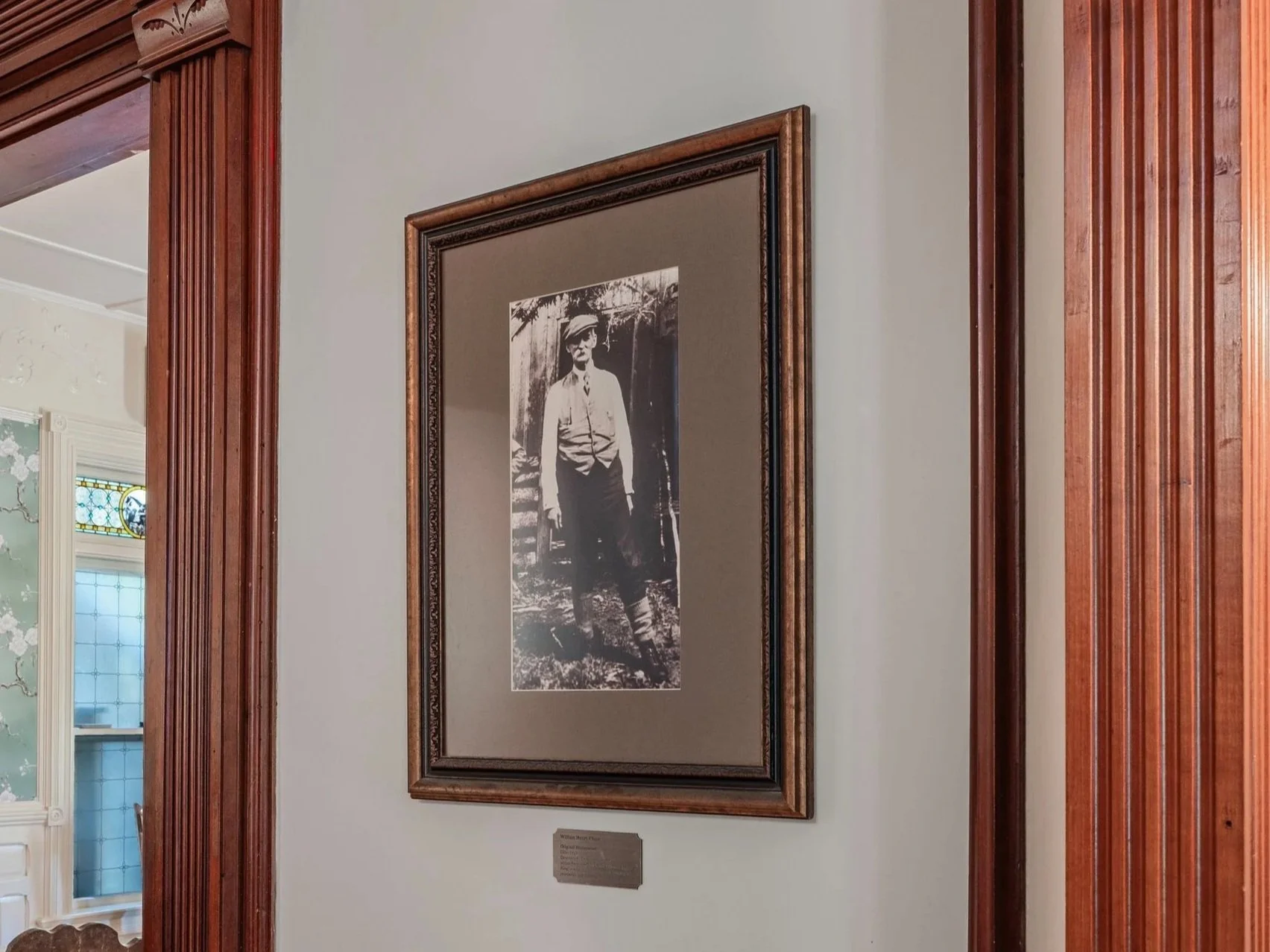
William Henry Chase &
the Origins of the House
The home was built for William Henry Chase, a prominent local figure whose work and investments were closely tied to the agricultural success of the Annapolis Valley. The Chase family played a role in the region’s orchard economy at a time when apples were one of Nova Scotia’s most important exports.
Wolfville, situated along the Minas Basin of the Bay of Fundy, was becoming a hub of trade, education, and agriculture in the late 19th century. The construction of Chase House reflected both the optimism of the era and the importance of Wolfville as a place of connection — between land and sea, commerce and culture.

A Victorian Home Built for Gathering
Like many grand homes of its time, Chase House was designed with both private family life and public hospitality in mind. Formal parlors, generous dining spaces, and upper-level bedrooms allowed the home to host visiting family, colleagues, and guests with ease.
The layout encouraged conversation and shared meals, while still offering moments of retreat — a balance that remains central to the house’s character today. From its earliest years, the home functioned as a place where people gathered, lingered, and stayed.

From Private Residence to Inn
As Wolfville evolved through the early 20th century, so too did Chase House. Changing travel patterns, the growth of the region, and the natural suitability of the home for hosting guests led to its transition from private residence to inn use.
By the mid-20th century, the house had become known as a welcoming place for travelers — offering lodging, meals, and a sense of arrival rooted in warmth rather than formality. For decades, it operated as an inn, quietly welcoming visitors to the valley while adapting to changing times.
Preservation, Restoration & Continuity
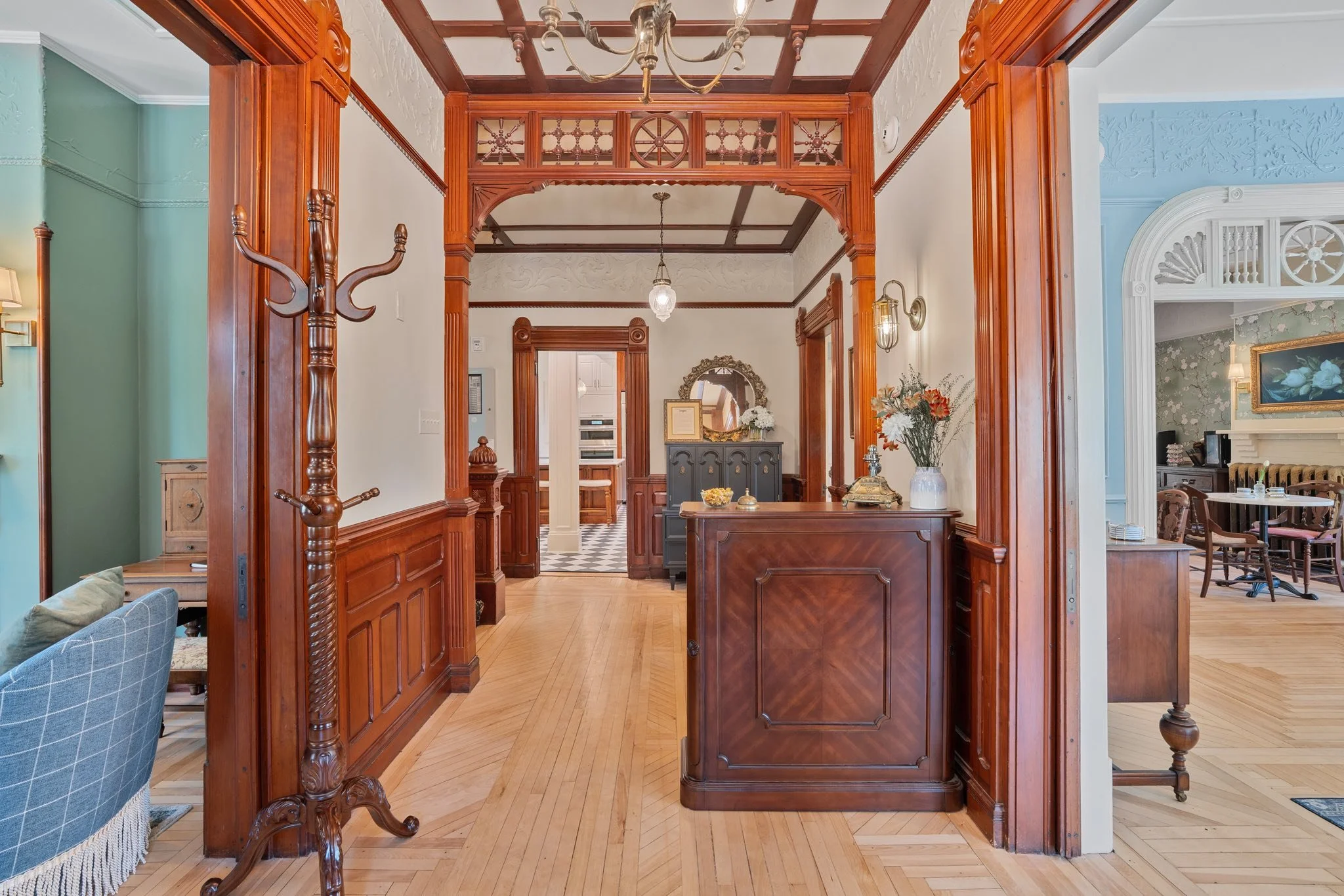
Today, Chase House is recognized as a registered heritage property, protected for its architectural significance and cultural value. Its continued use as a place of gathering reflects a rare continuity: while ownership, décor, and amenities have evolved, the purpose of the house has not.
Recent restoration work has focused on preserving original details wherever possible, while thoughtfully introducing modern comforts to support contemporary group stays. The result is a home that honors its past without being bound by it.
A Living Chapter of Wolfville’s Story
More than a century after it was built, Chase House remains a place where people come together — to celebrate, to rest, and to share time under one roof.
While its walls have witnessed generations of change, the spirit of the house endures. What began in 1893 as a family home rooted in the prosperity of the Annapolis Valley continues today as Victoria’s Historic Inn — a living chapter in Wolfville’s ongoing story.