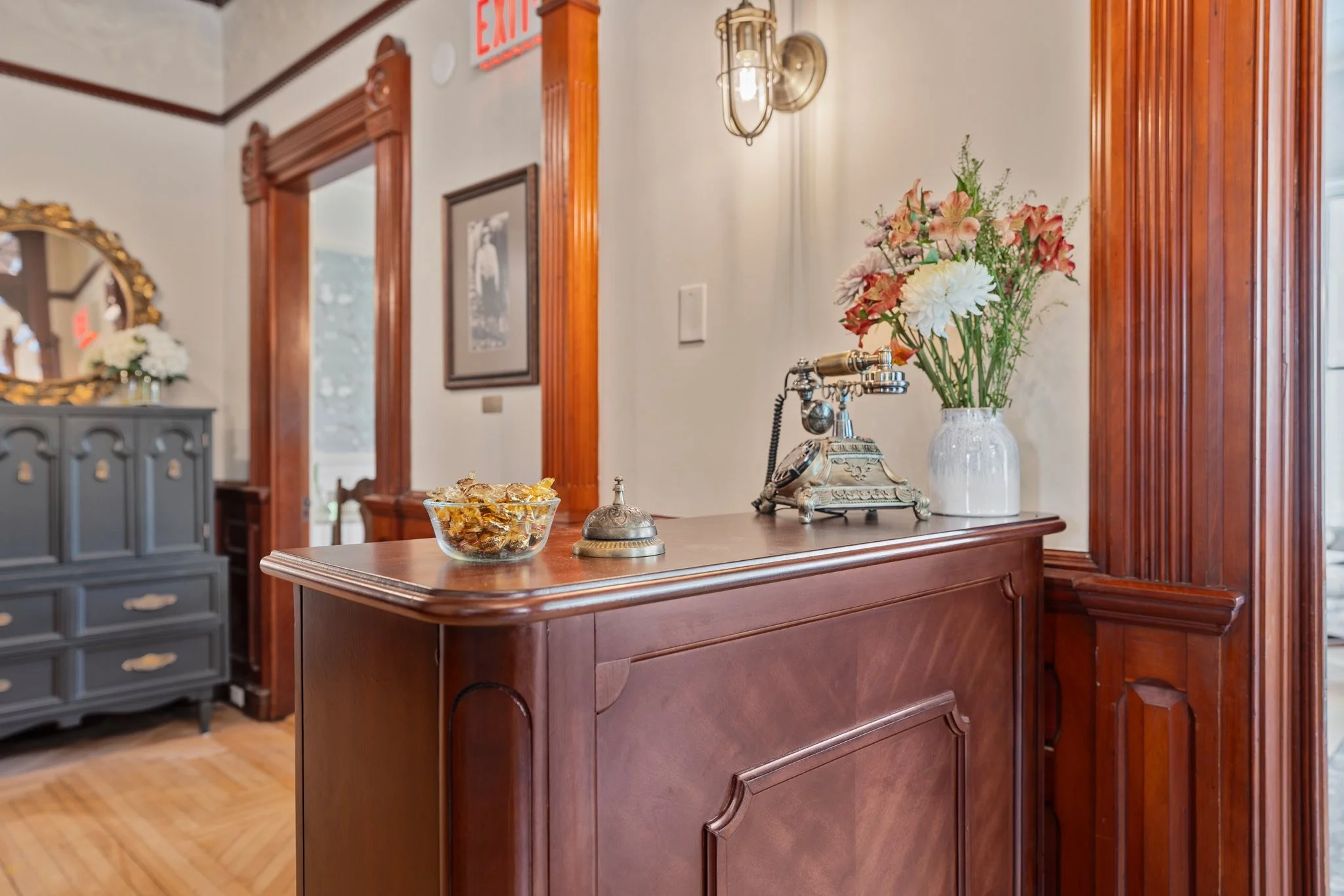
Welcoming Guests Since the 1940s
Every event we host is designed with intention, from the atmosphere we create to the way each session flows.

While Chase House was built in 1893 as a private family residence, its life as an inn began in the 1940s, when its doors first opened to travelers seeking rest, warmth, and connection in the heart of Wolfville.
At a time when travel was slower and stays were longer, the house naturally lent itself to hospitality. Its generous rooms, welcoming parlors, and central location made it an ideal place for guests arriving by train, car, or coastal routes to the Annapolis Valley. From its earliest years as an inn, Victoria’s was known less as a business and more as a home that welcomed strangers as guests.
A Mid‑Century Inn at the Heart of Wolfville
Throughout the mid‑20th century, Victoria’s Historic Inn became a familiar presence in the town. Visitors came for Acadia University events, agricultural fairs, harvest seasons, and summer holidays along the Bay of Fundy. Many arrived as travelers and left as friends, returning year after year.
The inn offered what travelers of the era valued most: shared meals, quiet rooms, and conversation at the end of the day. Its role was not to impress, but to provide comfort, continuity, and a sense of belonging — qualities that would define the inn for decades to come.
Decades of Change, a Constant Purpose
As travel evolved in the latter half of the 20th century, Victoria’s Historic Inn adapted while retaining its essential character. Ownership changed hands, décor shifted with the times, and amenities were updated — yet the house remained true to its original purpose as a place for people to gather and stay awhile.
Through festivals, university terms, family visits, and regional celebrations, the inn quietly witnessed the rhythms of Wolfville life. Its walls absorbed stories of reunions, farewells, new beginnings, and ordinary moments made memorable by shared space.
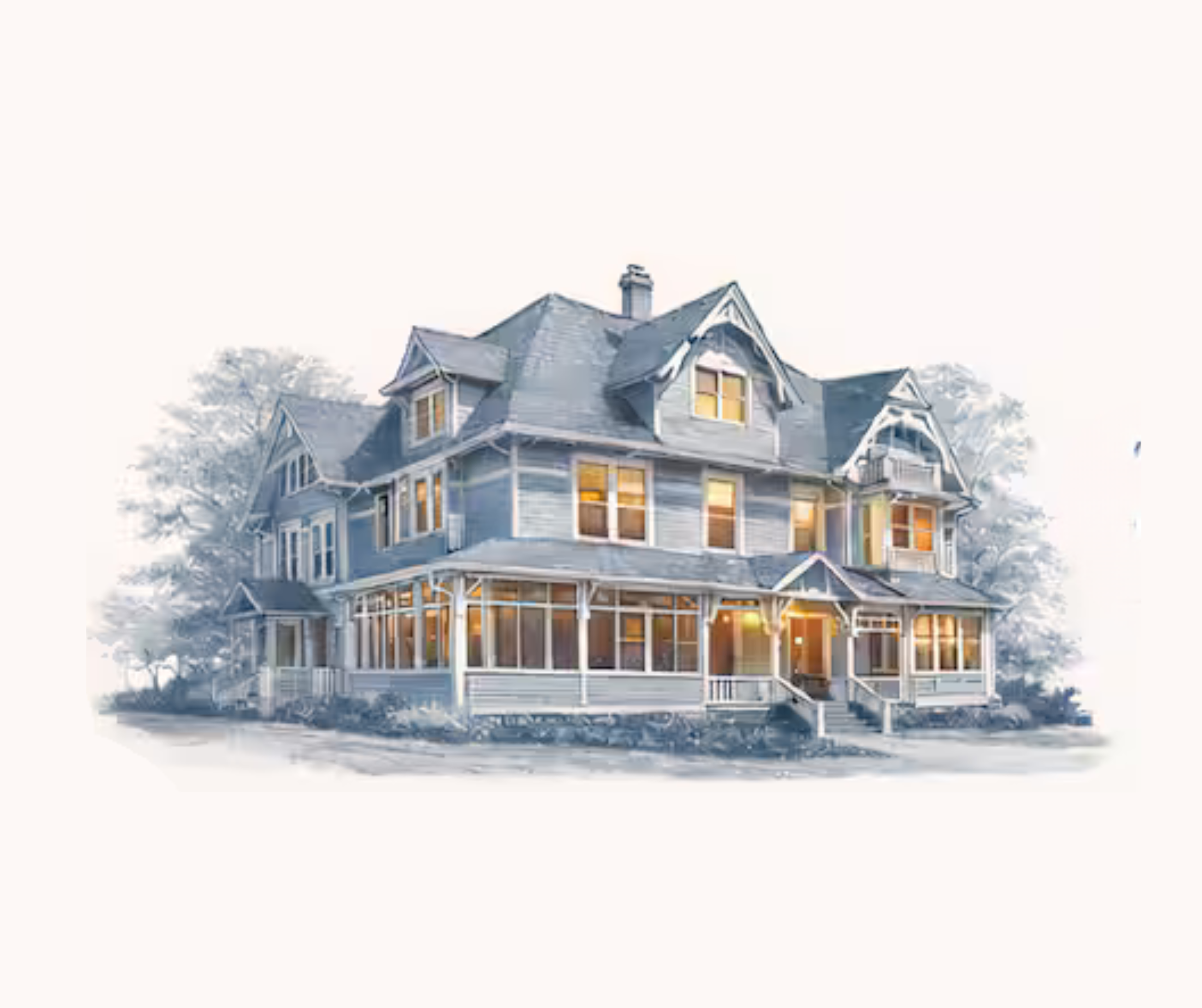
In recent years, the role of Victoria’s Historic Inn has evolved once again. Recognizing the unique scale and layout of the house, its stewards re‑imagined the inn not as a room‑by‑room lodging, but as a private, whole‑home retreat — one that allows groups to experience the house as it was originally intended.
Today, guests no longer pass through as individuals, but arrive together: families, friends, colleagues, and communities seeking time under one roof. The spirit of hospitality remains, simply expressed in a more intentional and intimate way.